Root Canals That Relieve Pain and Protect Your Smile
When decay or trauma reaches the pulp—the living tissue inside a tooth—bacteria can cause intense pain, abscesses, and bone infection around the root tip.
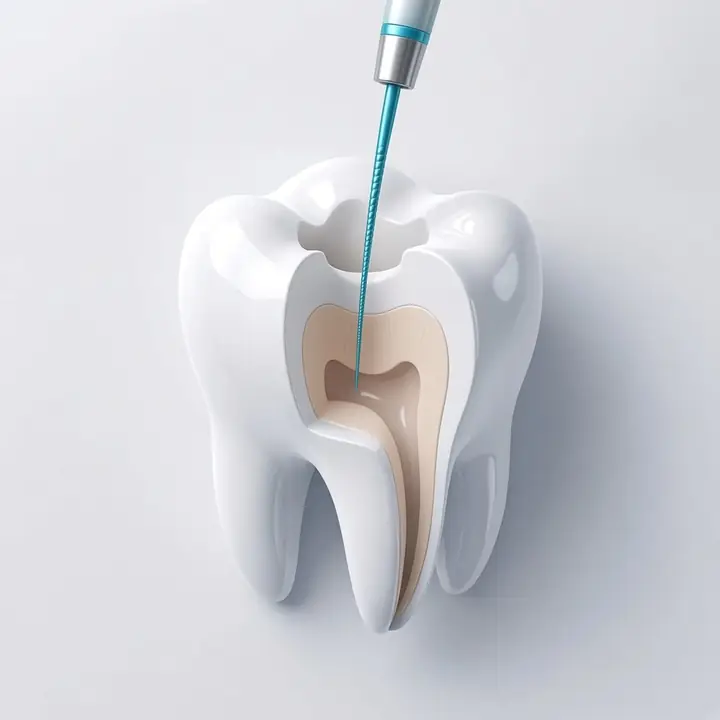
Root canal treatment carefully removes that infected tissue, disinfects the canals, and seals the space so you can keep the tooth instead of extracting it.
At Dhakar Family Dentistry in Glen Allen, Dr. Surya P. Dhakar prioritizes profound numbing, clear communication, and a protective crown afterward when the tooth needs extra strength for chewing.
What Root Canal Care Includes
Learn how gentle, modern endodontic therapy stops severe toothache, clears deep infection, and protects your natural tooth from extraction.
Finding the Source of Pain
Not every toothache needs a root canal. Testing and X-rays confirm whether the pulp is inflamed or infected.
Key Points:
- Vitality tests: Cold and bite tests help map which tooth is responsible.
- Digital imaging: We evaluate root shape, decay depth, and bone changes.
- Honest options: If a tooth cannot be saved, we discuss extraction and replacement.
Cleaning & Sealing Canals
Tiny instruments and irrigants clean the canal system, then a biocompatible sealer fills the space.
Key Points:
- Comfort priority: Local anesthetic keeps the appointment numb and manageable.
- Disinfection: Bacteria and inflamed tissue are removed from inside the tooth.
- Sealed finish: A temporary or permanent filling closes the access opening.
Crown When Needed
Many back teeth benefit from a crown after root canal therapy to prevent fracture under chewing forces.
Key Points:
- Strength: Crowns distribute bite pressure across remaining tooth structure.
- Seal: A well-fitted crown helps keep bacteria from re-entering.
- Longevity: Protected teeth often last years with good hygiene and checkups.
Benefits of Choosing Root Canal Therapy
Keeping your natural tooth supports chewing, speech, and neighboring teeth better than leaving a gap.
Stops the Pain
Removing inflamed pulp ends the throbbing that painkillers only dull temporarily.
Clears Infection
Treating the source reduces abscess risk and protects surrounding bone.
Keeps Your Tooth
Avoids extraction and the need for bridges or implants when the tooth is restorable.
Looks Natural
With a well-matched crown or filling, the tooth blends with your smile.
Signs You May Need a Root Canal
Call our Glen Allen office if these symptoms appear—earlier care is usually simpler.

The Root Canal Process
A structured visit focused on comfort, cleanliness, and a durable seal.
Numbing & Isolation
We deeply anesthetize the tooth and keep the area dry and controlled.
Access Opening
A small opening allows instruments to reach the pulp chamber and canals.
Clean & Shape
Infected tissue is removed; canals are shaped and disinfected thoroughly.
Fill & Seal
Canals are filled with sealer material and the access is closed.
Restore
A permanent filling or crown appointment protects the tooth long term.
After Root Canal Therapy
Mild soreness is common for a day or two as surrounding tissues settle.
Root Canal Consultations & Insurance
Root canals are typically categorized as major restorative care. Coverage varies by plan, so we verify benefits and provide estimates before treatment whenever possible.
Dhakar Family Dentistry accepts major PPO plans and Medicaid at our Glen Allen location and sister offices.
Questions about saving vs replacing a tooth? We will walk through prognosis, cost, and timeline with you.
Transparent estimates provided prior to treatment
Book AppointmentTooth Pain in Glen Allen? Let’s Save Your Smile
Contact Dr. Surya P. Dhakar’s team for a root canal evaluation. Relief and a clear plan are one visit away.